


Hours
Monday – Friday:
8:00 a.m. – 4:30 p.m.
Clinic & Procedures: Fridays
Appointment
(270) 762-1240
Fax: (270) 767–3629
Location
Interventional Pain Institute of Murray
803 Poplar Street
South Tower-Main Entrance 1
2nd Floor
Murray, KY 42071
Text Size:
Overview
At Murray-Calloway County Hospital, our new Pain Management Service is dedicated to helping you take control of your pain and get back to living the life you enjoy. Whether your pain is new, ongoing, or related to a chronic condition, our team provides personalized, compassionate care tailored to your needs.
We understand that pain affects more than just your body — it impacts your daily activities, sleep, mood, and overall quality of life. That’s why we take a comprehensive approach, focusing not just on treating symptoms, but on improving your function and well-being.
Whether the pain is acute or chronic, occasional or constant, aggravating or debilitating, our team of pain management specialists understands what you’re experiencing. We’ll provide an evaluation and pain assessment, and create a care plan that may include medication, treatment and coping skills.
Services or Conditions Treated
We treat pain associated with:
- Arthritis
- Back and neck conditions
- Cancer
- Fibromyalgia
- Headaches and migraines
- Neuralgia (nerve pain)
- Nervous system disorders
- Pelvic and urogenital conditions
- Surgery
- Trauma or injury
- Recurring discomfort from accidental injuries
- Reflex sympathetic dystrophy
- Shingles
- Spinal spasticity
- TMJ (temporomandibular joint disorder)
- Trigeminal neuralgia
- Other conditions that cause pain
Treatment Options
Our Approach
We believe in individualized care plans built around you. Treatment options may include:
-
- Image-guided injections and minimally invasive procedures
- Medication management (when appropriate and carefully monitored)
- Physical therapy coordination
- Lifestyle and movement strategies
- Collaboration with your primary care provider and specialists
Interventional pain treatments can include:
Injections – these can target different areas of pain throughout the body.
1. Epidural steroid injection – uses a local anesthetic to reduce pain and inflammation by numbing the nerves and then injecting a corticosteroid or other solution into the space of your spine.
2. Facet joint block – uses fluoroscopy, an image-guided needle placement, to identify and treat pain directly in the facet joint (the joints form the articular pillars that help provide structural stability to the vertebral column).
3. Sacroiliac joint injection – uses local anesthetic and corticosteroids injected into the SI joint that links the pelvis and lower spine.
4. Trigger point injection – injects medicine into the trigger point to help relax muscles and reduce pain.
5. Botox injection for migraines – injects into muscles of the head that cause tension and migraines. The treatment is not meant to stop an active migraine but is used to prevent headache days before they even start by blocking pain-signaling chemicals in the nervous system.
Nerve Blocks – these inject medicine near or on a nerve and can include:
1. Medial branch block – treats arthritic joint changes or low back pain. Specialists inject medication near the nerve outside the affected joint space.
2. Sympathetic block – treats vascular issues or chronic regional pain syndrome (RSD), a condition causing severe burning pain in one of the arms, legs, hands, or feet.
3. Stellate Ganglion- stellate ganglion block (SGB) is a quick outpatient procedure that involves injecting a local anesthetic into a bundle of nerves in your neck. This temporary nerve block “resets” the sympathetic nervous system, often providing rapid relief from symptoms of trauma, chronic pain, or circulation issues. Can also fix lack of smell and taste post COVID symptoms.
Ablation
Radiofrequency nerve ablation uses electrical currents (radio waves) to heat a specific joint nerve to destroy the nerve and relieve pain for 12-18 months and can be done on joints (shoulders, hips, knees) and spine.
Our goal is simple: reduce pain, restore function, and improve your quality of life.
About Our Providers
Our Pain Management Service is led by highly trained Certified Registered Nurse Anesthetists (CRNAs) with advanced expertise in pain management.
CRNAs are licensed, independent healthcare professionals who:
- Hold advanced graduate-level education in anesthesia and pain management
- Are nationally certified and rigorously trained in patient safety
- Specialize in managing acute and chronic pain through evidence-based techniques
With extensive experience in hospital-based care, our CRNAs bring a deep understanding of how pain affects the body and how to treat it effectively and safely.
Scope & Expertise
Our CRNAs are skilled in:
- Comprehensive pain assessments
- Image-guided procedures and injections
- Medication management and optimization
- Developing personalized, long-term pain care plans
Start Your Journey to Relief
You don’t have to live with pain. Let us help you find answers and create a plan that works for you.
Call today to schedule a consultation or talk with your provider about a referral.
Patient-Centered Care
At Murray County Hospital, our CRNAs focus on:
- Listening to your concerns
- Educating you on your treatment options
- Creating a plan tailored to your goals and lifestyle.
Your comfort, safety, and outcomes are always our top priorities.
Our Specialists
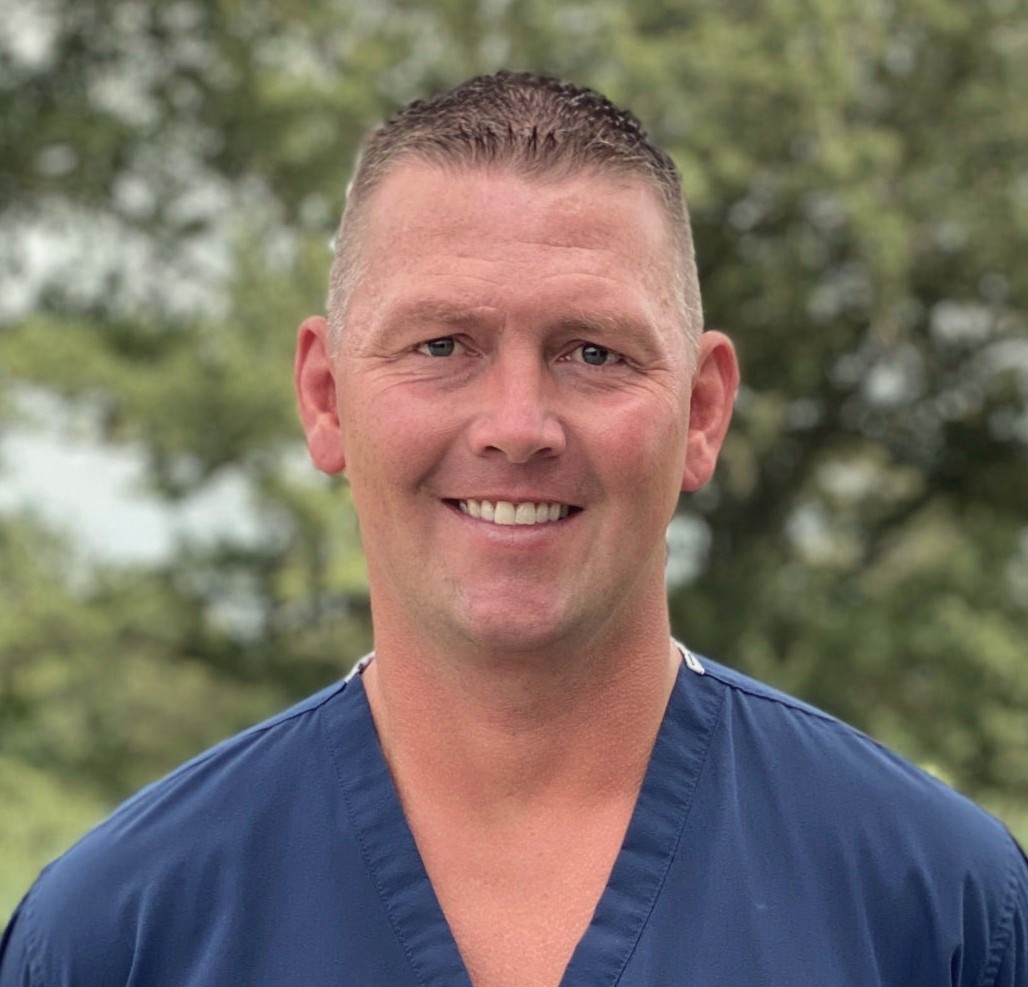
Skylar Pharris
MSN, CRNA
Skylar has been successfully treating acute and chronic pain as a CRNA for 13 years. He received his undergraduate degree at Murray State University with a Bachelor of Science in Nursing graduating with honors and is a current fellow at USF Tampa pain management.

Andrew Rice
DNP, CRNA, ACNP-BC, NSPM-C
Dr. Rice is fellowship trained and board certified in non-surgical pain management, with over 10 years of experience in acute and chronic pain management. They work collaboratively with your primary care provider and other specialists to ensure coordinated, high-quality care.